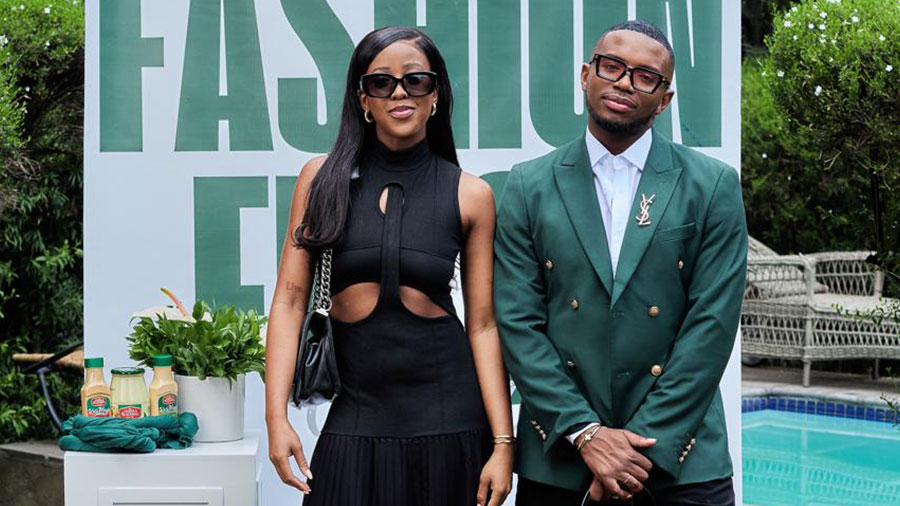
In the heart of Sandton, tucked near a quiet river where the hum of the city softens into stillness, a select circle of South Africa’s fashion insiders gathered for an afternoon that was equal parts indulgence and insight.
The Fashion Circle’s Fashion Feast Brunch, sponsored by Crosse & Blackwell Mayonnaise, wasn’t your typical networking affair. It was a meeting of minds, designers, stylists, publicists, digital creators, strategic brand consultants, and operations managers from some of the country’s most influential fashion houses, all seated around one long table, sharing stories, laughter, and bold truths about the state of South African fashion.
Beneath the soft Sandton sunlight, the event unfolded with welcome drinks and delicate starters before drifting into a leisurely open-bar afternoon. The air was rich with conversation and the smoky aroma of braaied meat, served alongside vibrant salads infused with Crosse & Blackwell’s signature mayonnaise flavours. Dessert was decadent — sweet, comforting, and perfectly unhurried.
But beyond the beautifully plated courses and riverside charm, something else was being served: honesty.
The Business Beneath the Beauty
What do you get when you gather the people who shape South African fashion at one table? A mirror and a map.
Between bursts of laughter and nods of agreement, the conversation turned serious. The table spoke about the invisible scaffolding that holds the creative world together: systems, operations, communication, and accountability.
One thing was clear: South African fashion doesn’t lack creativity, it lacks structure.
The brand consultants lamented the gap between artistry and administration. Too often, brilliant ideas collapse under the weight of weak systems such as informal quotes sent via WhatsApp, unpaid invoices, lost opportunities. The call was for professionalisation: to treat fashion not just as an art form, but as a viable business ecosystem that can sustain itself beyond a season.
Gatekeeping or Guardrails?
Few words stir more emotion in the industry than gatekeeping. Yet, at this table, the narrative shifted.
What some call exclusion, others called protection. Of their trust, of their reputation, and of their hard-won credibility. “Accountability,” one guest said, “isn’t elitism. It’s structure.”
The group agreed: feedback should be given, not withheld. Mentorship should be generous but grounded in readiness. Opportunity must meet preparation.
Influence, Exposure, and the Price of Access
Then came the topic that every creative tiptoes around: exposure.
The consensus was firm, exposure doesn’t pay rent. A muse, the group agreed, isn’t a mannequin. True influence is about alignment, it’s about matching the right face to the right brand story, where values and audiences genuinely intersect.
A viral post might bring visibility, but visibility without conversion is just noise. The industry, the table decided, needs strategy, not just sparkle.
Media: The Mirror and the Megaphone
Editors and publicists weighed in next, reminding everyone that the media’s role isn’t to crown favourites, but to craft continuity. Coverage, they said, is an editorial decision driven by timelines, relationships, and storytelling, not friendships.
Designers were urged to nurture relationships with journalists and stylists, to send proper press kits and build bridges long before showtime. Because visibility is earned, not owed.
TikTok Changed the Rules, Now It’s Time to Write New Ones
Everyone agreed that TikTok has cracked open the gates, giving rise to a wave of new voices in fashion. But the real opportunity, the table agreed, lies in centering actual fashion creators and commentators who add value, context, and creativity to the industry. The call was clear: give these voices the platform, listen to their insights, and ensure they’re the ones shaping the narrative of South African fashion. Because too often, the loudest mics go to naysayers. Those who critique without contribution. The industry’s evolution depends on amplifying the doers, not the detractors.
Decentralising the Dream
A poignant thread emerged about geography and access. Why must every designer move to Johannesburg or Cape Town to be taken seriously?
The vision for The Fashion Circle is broader and more inclusive: a connected African fashion ecosystem where talent thrives wherever it’s rooted. Because creativity isn’t bound by postal codes, it’s bound by purpose.
From Capsule to Continuity
The final topic landed with weight. Retailers, the room agreed, hold immense power in shaping the industry’s longevity. One-off collaborations are great headlines, but its permanent rails that will change lives.
If local fashion is to thrive, South African designers need permanent rails, not temporary capsule moments. A consistent retail presence creates stability, employment, and true brand longevity. When South African designers are stocked consistently, not seasonally, it will strengthen the entire value chain: from textile producers and pattern cutters to stylists and marketers.
Financing the Future
There was gratitude in the room, too. Gratitude for sponsors like Crosse & Blackwell, who made this gathering possible. But also a shared understanding that such spaces need funding, not just enthusiasm. If fashion is to thrive, it needs investment in infrastructure, from compliance support and showroom spaces to mentorship programs and grant-backed showcases. Because inspiration alone cannot fund the future.
A Brunch That Became a Blueprint
As the afternoon light softened and the chatter gave way to reflection, it was clear that this wasn’t just another fashionable get-together. It was a quiet revolution, a reminder that when creativity, business, and collaboration share a table, the entire industry rises together. The Fashion Circle’s Fashion Feast Brunch was proof that progress tastes best when shared. Because when South Africa’s fashion powerhouses sit beside the river, surrounded by ideas, laughter, and the promise of change —you’ll definitely want a seat at that table