
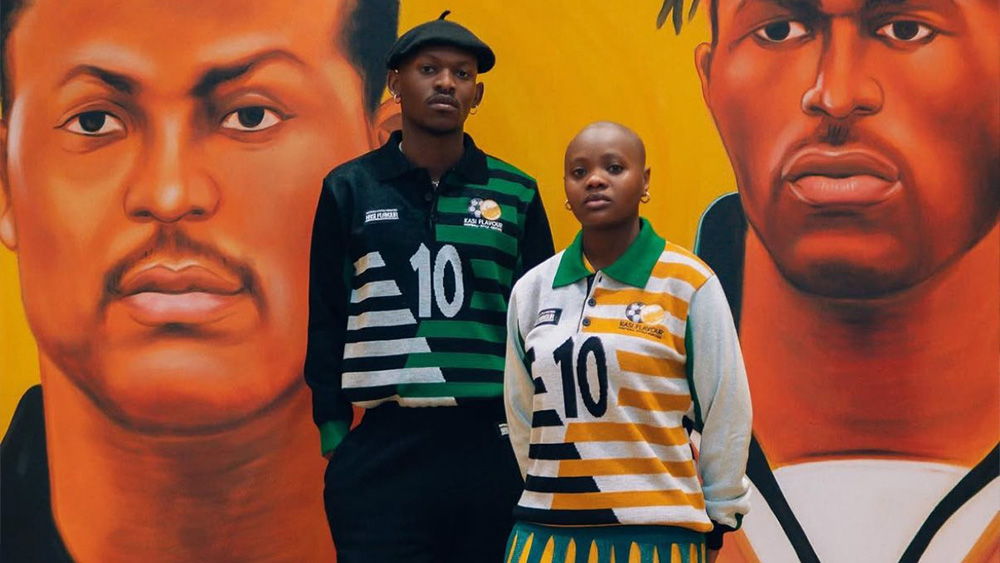
How a South African fashion brand is preserving the stories, identities, andcultural memory of African football, one garment at a time.
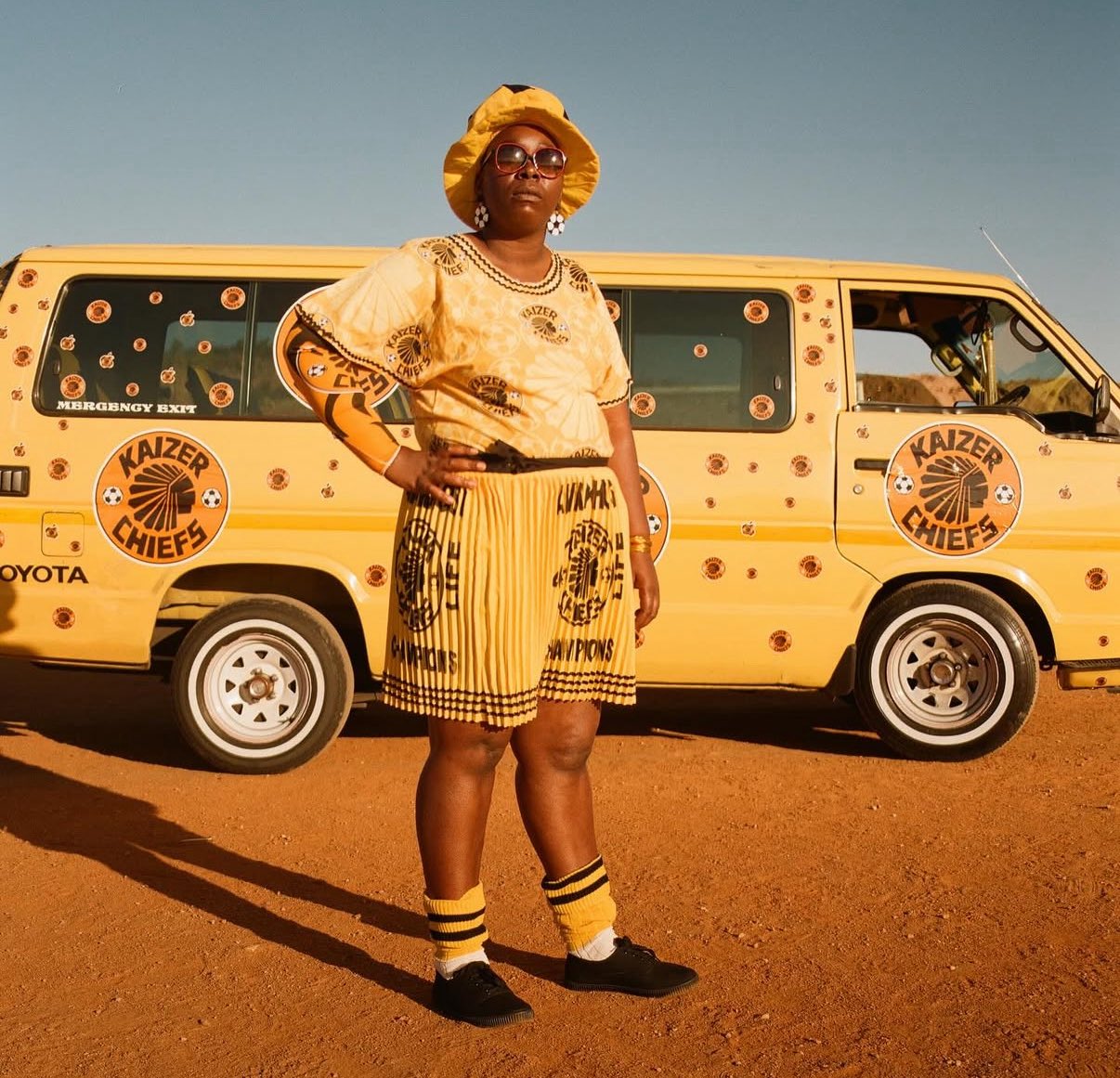
(Kaizer Chiefs 56th Anniversary, 2026)
Most archives are quiet places.
They live in museums, libraries, and storage rooms. They preserve photographs, newspaper clippings, trophies, and artefacts. Their purpose is simple: to ensure that history is not forgotten.
KASIFLAVOUR10 proposes a different kind of archive.
One that can be worn. One that moves through streets, stadiums, taxi ranks, and communities. One that preserves the story of African football culture not behind glass, but through fashion.
At a time when fashion brands are constantly searching for authenticity, KASIFLAVOUR10 has found it in something that has always existed: the culture, creativity, and character of the kasi.
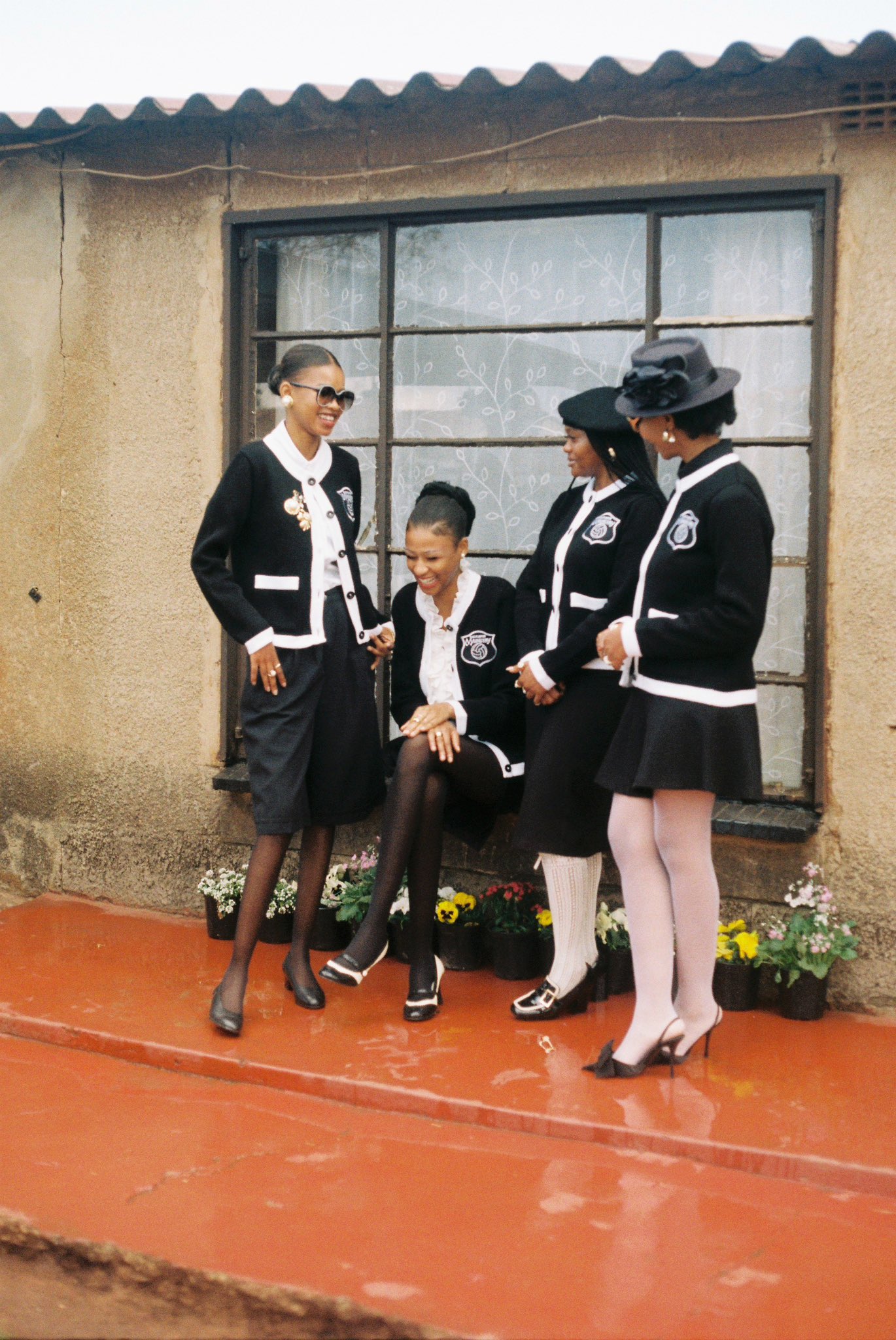
(The Magnificent Ladies – @KabeloKungwan, 2025)
While many brands draw inspiration from sport, KASIFLAVOUR10 does something far more interesting. It uses fashion to document the people, stories, and traditions that have shaped African football for generations.
To understand why that matters, we need to understand the story behind the name.
The brand draws inspiration from the legacy of Isaac “Shakes” Kungwane, affectionately known throughout South African football as “Kasi Flavour.” More than a player, Shakes became a symbol of a style of football that celebrated creativity, confidence, flair, and self expression. His influence extended beyond the pitch and into the cultural identity of township football itself.
Kasi flavour was never just about football. It was about personality. It was about imagination. It was about turning a football match into a performance. It was about playing with style.
Long before social media gave everyone a platform, township football had already developed its own language, icons, rituals, fashion codes, and storytelling traditions. Communities gathered around local tournaments. Players became legends. Nicknames carried histories. Certain skills and celebrations became part of local folklore.
(2021-Kasiflavour10 – @KabeloKungwan, 2025)
Yet despite its cultural significance, much of this history has never been formally documented.
And that is precisely where KASIFLAVOUR10 becomes important.
In many ways, the brand functions as anthropology.
‘Anthropology’ is the study of people, culture, traditions, and the ways communities create meaning. Anthropologists preserve stories, customs, and artefacts to help us understand who we are and where we come from.
KASIFLAVOUR10 applies this same thinking to football culture.
Instead of collecting objects for a museum, it transforms cultural memory into clothing.
Every design becomes part of a living archive. Not an archive of scores, statistics, or trophies. An archive of people. The people who learned to play barefoot on dusty fields. The communities that turned local tournaments into major events. The supporters who filled the sidelines every weekend. The players whose creativity inspired generations.
Fashion scholars often describe clothing as a cultural artefact, a physical object that tells us something about the society that created it. A garment can reveal values, beliefs, identities, and histories.
KASIFLAVOUR10 understands this deeply.
Its garments do more than celebrate football; they preserve the culture surrounding it. They recognise that African football is not only a sport but a social and cultural ecosystem that deserves to be remembered.
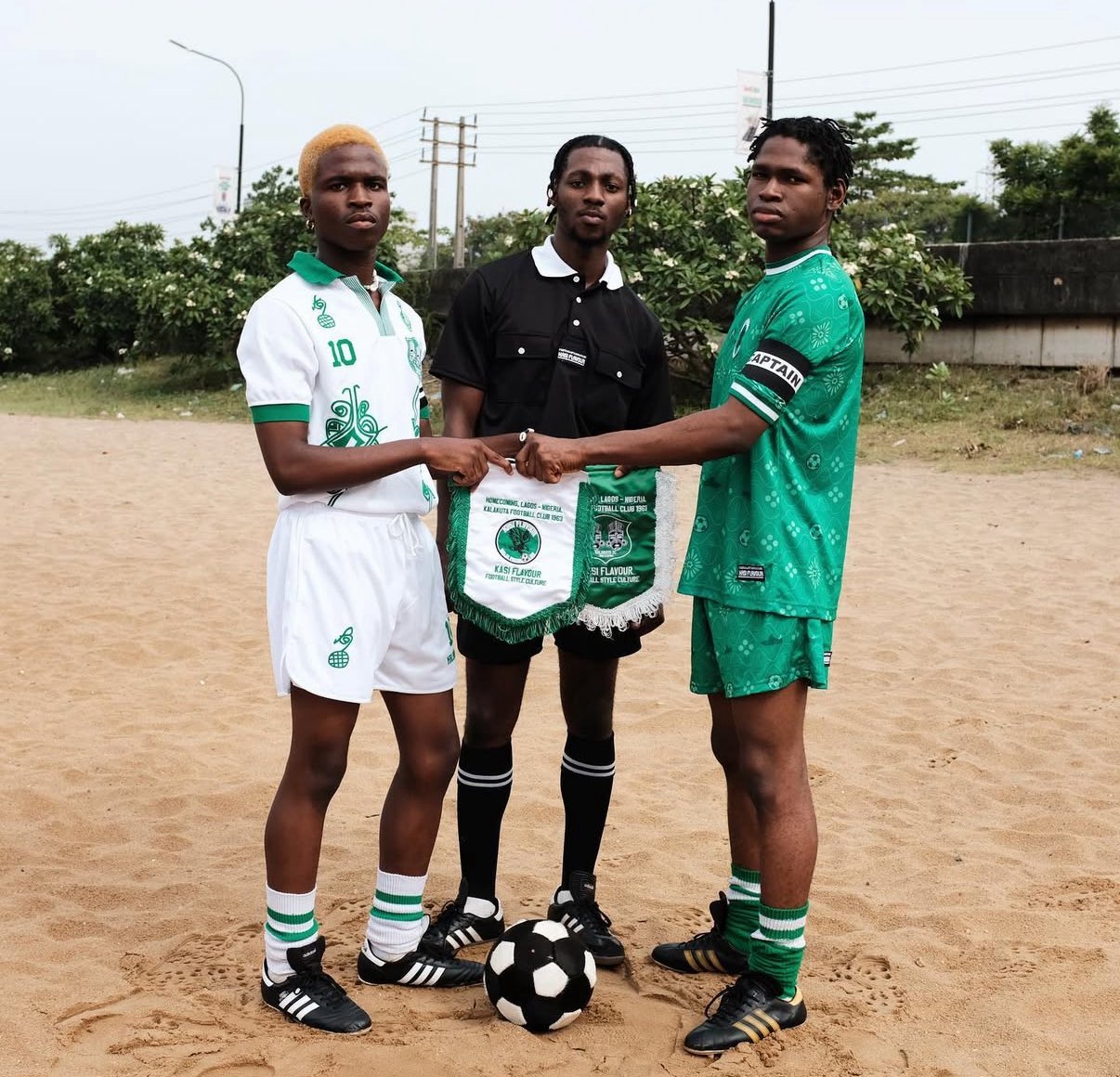
(Let’s go Super Eagles – @KabeloKungwan, 2026)
This is particularly relevant today as conversations around cultural preservation continue to grow within fashion. Across the continent, designers are increasingly using clothing to document languages, traditions, communities, and histories that risk being overlooked.
Fashion is no longer just responding to culture. It is becoming a method of recording it. KASIFLAVOUR10 sits comfortably within this movement.
Rather than borrowing from global football aesthetics, the brand centres local stories. It acknowledges that African football culture already possesses its own visual language, heritage, and identity. It does not seek validation from elsewhere. Instead, it celebrates what has always existed here.
This approach feels especially meaningful as the world celebrates the 2026 FIFA World Cup.
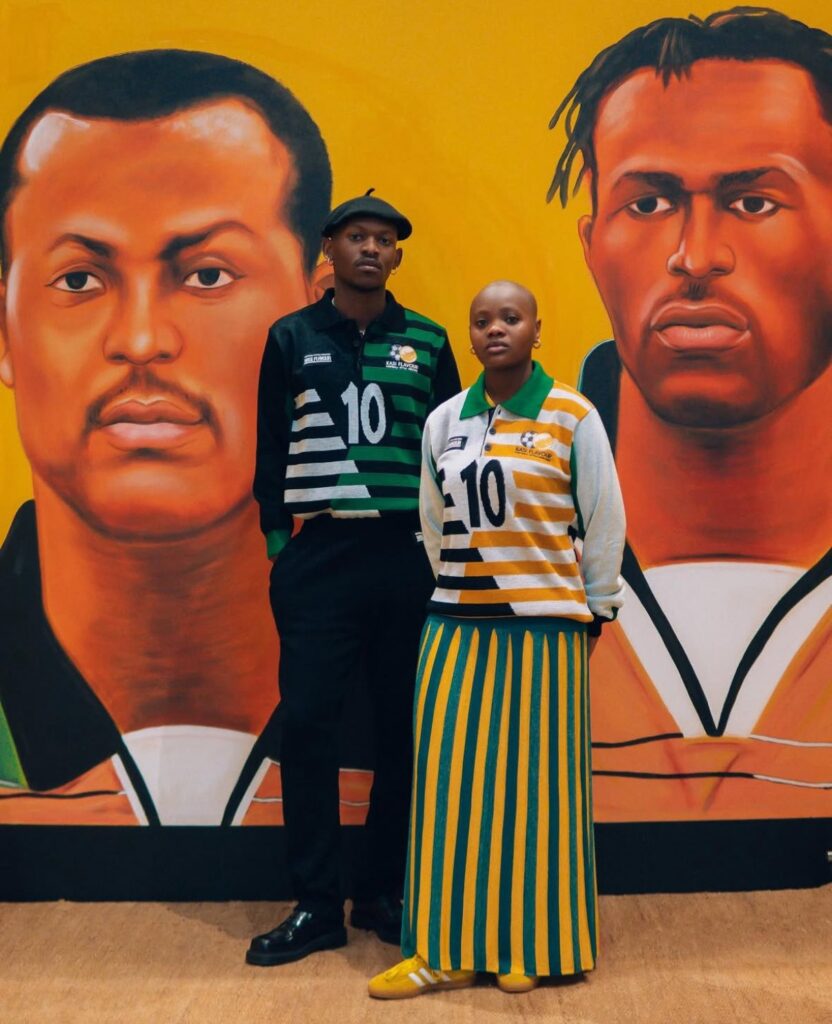
(@kasiflavour10 98 Bafana Knit Jerseys, 2025)
Football shirts have long represented more than teams. They represent belonging. They represent memory. They represent identity.
KASIFLAVOUR10 asks a similar question through fashion:
What happens when we preserve football culture, not through trophies and highlight reels, but through clothing?
The answer is a brand that feels both contemporary and historical.
A brand that celebrates the past while speaking to the future.
A brand that reminds us that some of the most important cultural archives are not found in institutions, but within communities themselves.
Most importantly, KASIFLAVOUR10 reminds us that fashion can do more than follow trends.
It can preserve memory. It can honour legacy. It can tell stories that might otherwise disappear.
And in doing so, it ensures that the spirit of kasi football – the creativity, the flair, the community, and the culture – continues to live on.
Not just in history books. But on the people who wear it.
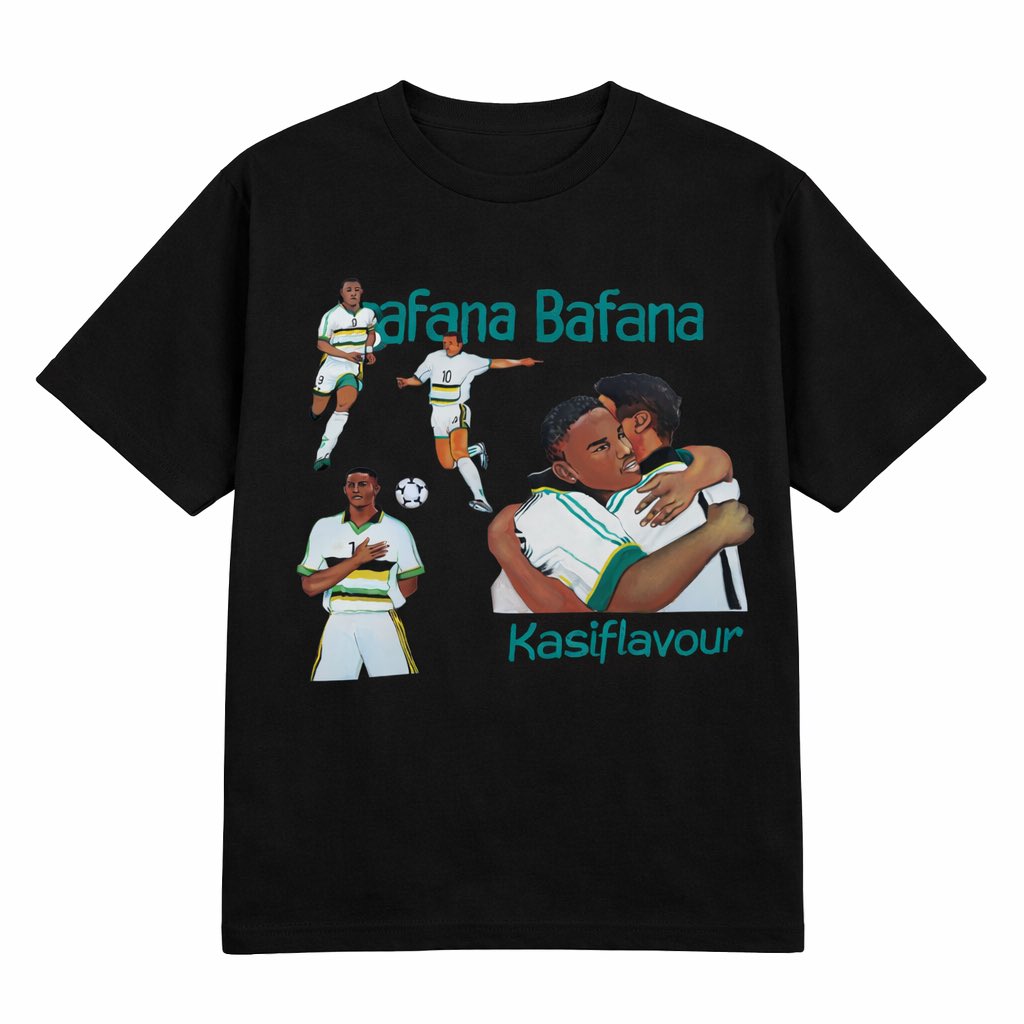
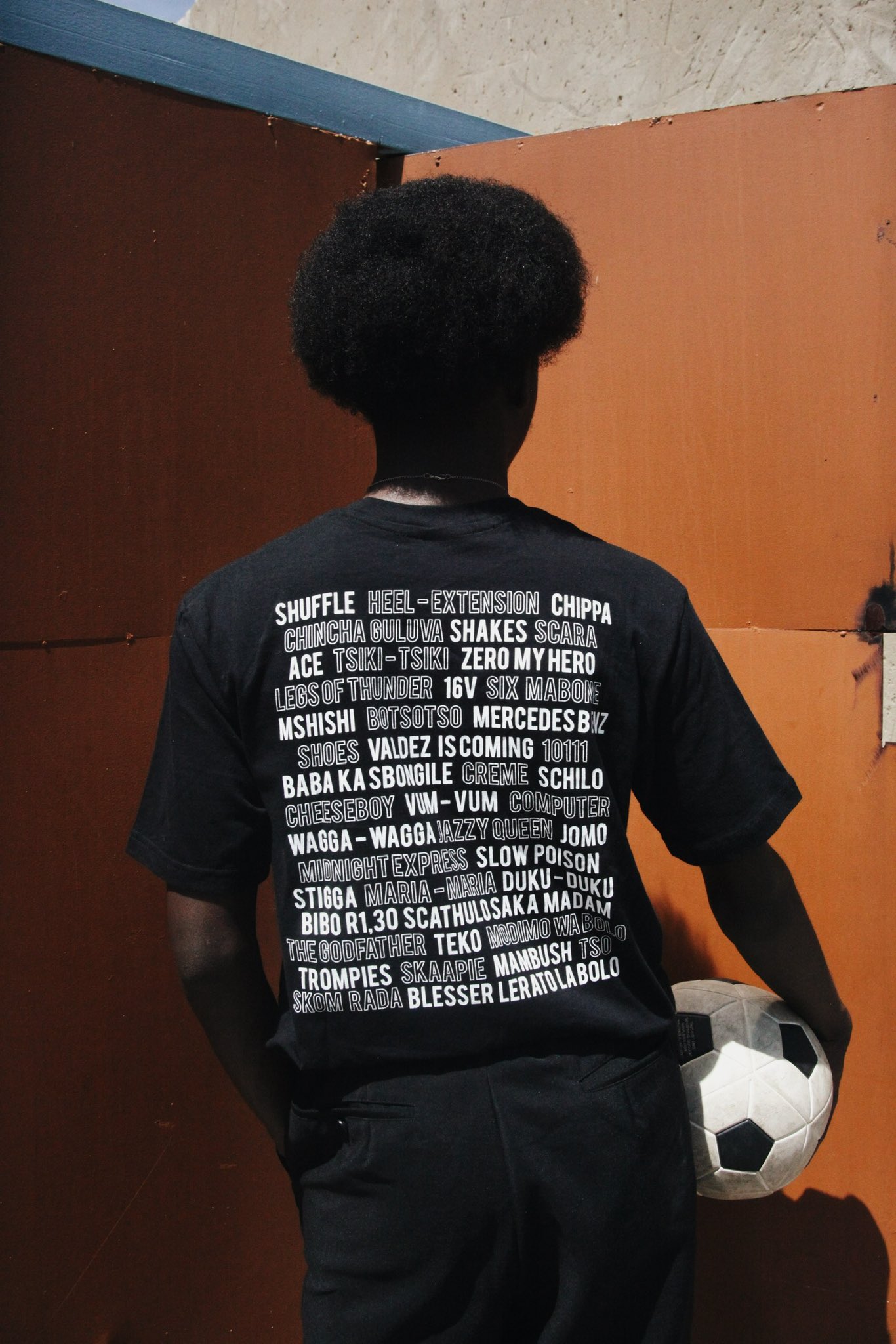
(Bafana Kaofela Tees, 2026)
Shop your Bafana Bafana gear at www.kasiflavour10.com