
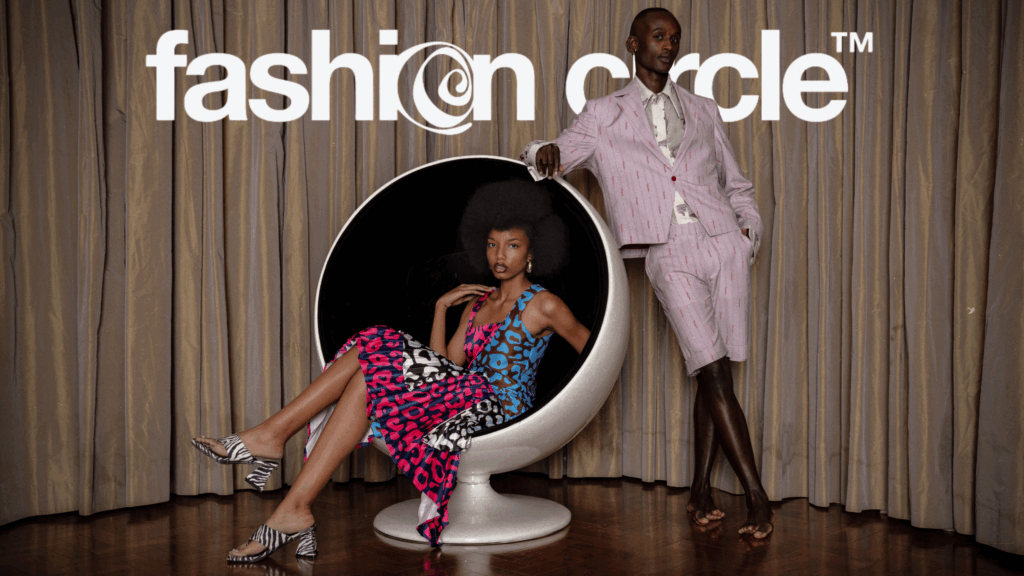
In this exclusive feature, we delve into the creative journey behind Ezokhetho’s bold expansion into menswear — a natural evolution for the brand known for its rich storytelling and celebration of heritage.
Designer Mpumi Dhlamini, shares how the collection reimagines Ezokhetho’s signature aesthetic through a masculine lens, blending timeless tailoring with culturally resonant motifs like the chicken feet symbol and innovative materials such as ostrich-feather-paneled denim. With a focus on inclusivity, identity, and craftsmanship, this collection marks not just a new chapter for Ezokhetho, but a fresh, thoughtful contribution to the landscape of modern menswear.
Who is Ezokhetho?
Ezokhetho is a celebration of duality — someone who is modern, yet deeply rooted in their heritage. It represents the individual who proudly honors their origins while embracing the constant evolution of the world around them.
What motivated you to explore menswear after establishing yourself in women’s wear?
The idea of venturing into menswear has been simmering for quite some time. When I looked at our core clientele — women in their late thirties who are often married or in committed relationships — I realized that there was an opportunity to extend the Ezokhetho universe to their partners. It felt like a natural progression, an evolution of our storytelling.
Can you walk us through your design process for this menswear collection? How did it differ from your women’s collections?
Surprisingly, the design process wasn’t drastically different from our womenswear approach. The key shift was envisioning the man we wanted to dress — someone who resonates with our aesthetic but expresses it in his own way. It was important to stay true to our identity while imagining how the Ezokhetho man would look and feel in our pieces.
How do you think men’s fashion differs from women’s fashion, and how did that influence your designs?
Men and women shop very differently. Women often seek individuality and bold, statement-making pieces. Men, on the other hand, lean toward functionality, muted tones, and clothing that can be worn repeatedly. This informed our design direction — creating classic, timeless pieces that still carry the unique Ezokhetho signature.
How would you describe the aesthetic and vision of your menswear collection?
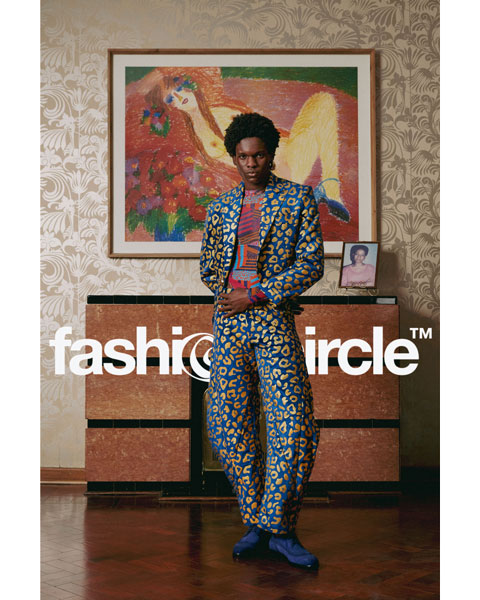
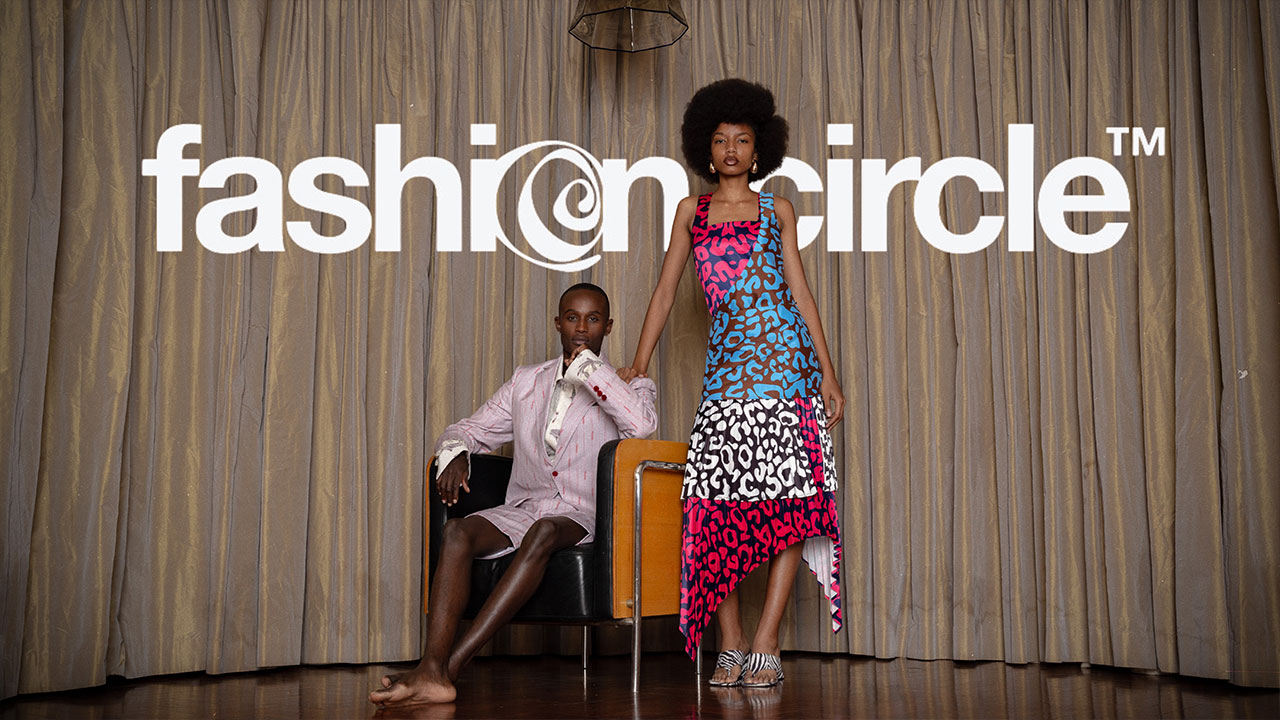
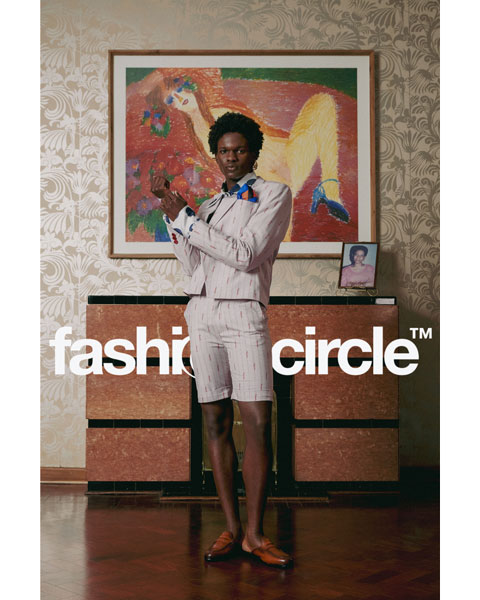
It’s unmistakably Ezokhetho. We infused familiar elements, like our iconic chicken feet motif, with subtle yet impactful details. One standout addition is our custom-designed pinstripe suit — a fresh signature piece that speaks to both elegance and individuality.
Were there any specific trends in menswear that you wanted to challenge or reinterpret with your collection?
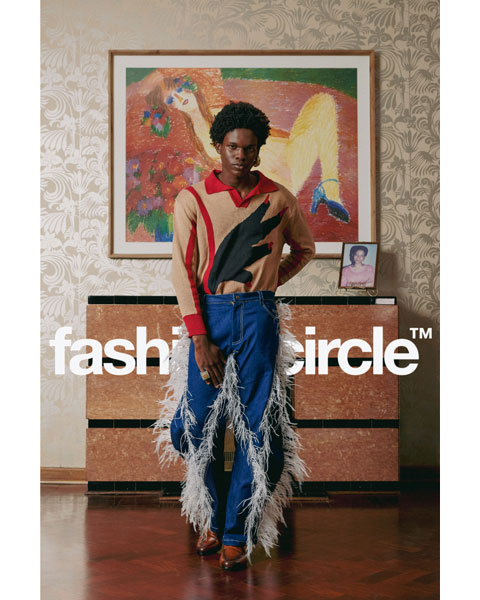
This season, I approached menswear with the intent to reinterpret Ezokhetho through a masculine lens, without losing the brand’s essence. We tapped into broader trends subtly — like the Western-inspired denim with ostrich feather panelling — while keeping the collection timeless and grounded in our narrative
Were there any specific trends in menswear that you wanted to challenge or reinterpret with your collection?
This season, I approached menswear with the intent to reinterpret Ezokhetho through a masculine lens, without losing the brand’s essence. We tapped into broader trends subtly — like the Western-inspired denim with ostrich feather panelling — while keeping the collection timeless and grounded in our narrative.
Did you face any challenges when designing for a male audience compared to your previous work?
Because I had been envisioning this move for a while, the transition felt organic. In fact, creating a friend’s wedding suit — which featured our now-signature pinstripe — gave me the push I needed. The positive response affirmed that there was space for this perspective in menswear.
Can you share some of the key pieces in the collection that you’re particularly proud of?
Definitely. My top six standout looks are:
• Look 1: Full Cream Knitted Bodysuit — a tribute to inkomazi, a nostalgic symbol of home.
• Look 4: The Menswear Ingonyama Printed Suit — bold yet refined.
• Look 7: The Zodwa Printed Women’s Two-Piece Suit — strong and elegant.
• Look 9: The Uluthando 2.0 Faux Leather Dress — a reinvention of a favorite silhouette.
• Look 14: Inqina Knitted Jersey and Ostrich Feather Paneled Denim Pants — playful with an edge.
• Look 15: The Ntombizonke Blue and Pink Polka Stripe Dress — joyful and fresh.
How do you approach the fit and tailoring of menswear differently than you do with women’s clothing?
The principle is the same: understanding what people want to highlight or accentuate. Whether it’s a cinched waist in womenswear or a perfectly cut shoulder in menswear, the goal is to craft silhouettes that make the wearer feel confident and seen.
What materials and fabrics did you choose for this collection, and why?
We explored a rich mix of textures — velvet screen-printed with gold paint, structured mesh for volume, faux ostrich leather, and tactile knits. The opening look, inspired by inkomazi, was made entirely of a cream knit that evokes warmth and familiarity. We also continued our tradition of incorporating chicken feet motifs — a cultural delicacy that reflects both heritage and identity.
How do you see your menswear collection fitting into the broader landscape of men’s fashion today?
As a brand already recognized for its storytelling and distinct identity, stepping into menswear feels timely. We’ve built a loyal following, and expanding into this space allows us to deepen our narrative and reach a broader audience.
What feedback have you received from your peers and customers about the transition to menswear?
The response has been overwhelmingly positive. People are excited to see how the brand translates across genders. Of course, it’s a journey — just as we’ve refined our womenswear over time, we’ll continue to grow and evolve our menswear offering as well.
Looking ahead, do you plan to continue designing menswear, and what are your aspirations for future collections?
Absolutely. This is only the beginning. We plan to expand and diversify the menswear line, pushing creative boundaries while staying true to our roots. The vision is to create a truly inclusive fashion house — one that continues to tell stories through clothing, across all identities.