
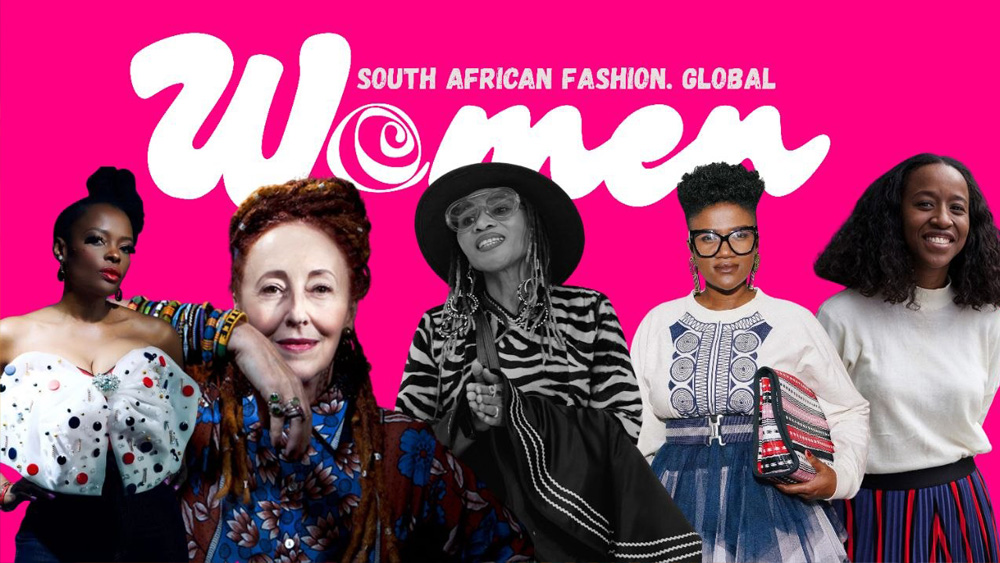
This Women’s Day, we celebrate the female designers who did more than make beautiful clothes. They built businesses, carried South African culture onto international stages and created milestones that changed what was possible for the women who came after them.
Every generation of South African fashion has its women who refused to simply participate in the industry. They helped build it.
Long before African fashion enjoyed the global visibility it has today, South African women were establishing fashion houses, building distinctly local design languages and proving that our stories could exist within luxury without being diluted for an international audience.
Some became the first to do it. Others stayed long enough to become institutions. And some used clothing to make sure that our history would not be forgotten.
This Women’s Day, we celebrate a few of the women whose careers have become part of South African fashion history.
Vanya Mangaliso: The Woman Who Helped Make African Heritage Luxury
(@safashionweek, 2025)
It feels right to begin with the late Vanya Mangaliso.
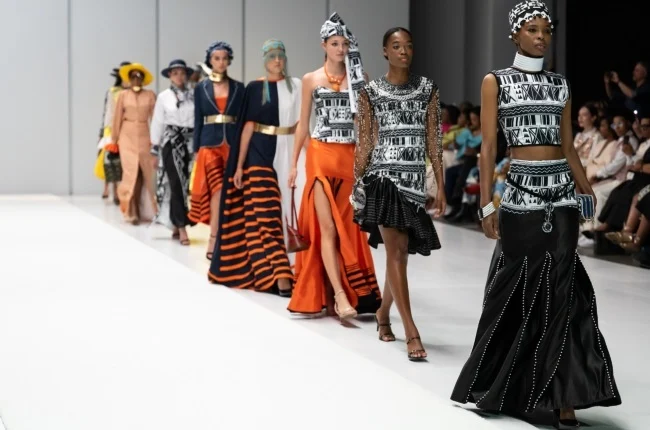
Alongside her husband Thando Mangaliso, Vanya co-founded Sun Goddess at the beginning of the 2000s with an ambition that feels almost prophetic today: to create a luxury fashion house rooted unapologetically in South African heritage.
At a time when African-inspired clothing was not always positioned within the language of luxury, Sun Goddess treated our cultures as exactly that.
The brand became known for interpreting isiXhosa, Sesotho and Tshivenda aesthetics through contemporary fashion, turning cultural storytelling into something that could live in boutiques, on runways and eventually on international stages.
Sun Goddess grew beyond a designer label into a serious fashion business. At its height, the company employed more than 150 people, operated multiple stores across South Africa and showcased internationally, including at London and Singapore Fashion Weeks. In 2006, Sun Goddess won South African Designer/Retailer of the Year.
One particularly fascinating milestone came that same year: a Sun Goddess dress was included in Pantone’s Colour of the Century book, where the brand was reportedly the only designer represented outside Europe and the United States among its top twenty colours.
Vanya passed away in June 2025, leaving behind more than clothes. She left evidence that an African fashion house could build its identity around its own heritage rather than looking elsewhere for validation.
For the designers building African luxury brands today, Sun Goddess helped prove the
concept decades ago.
(News24, 2024)
Palesa Mokubung: The Woman Who Put Mantsho in H&M Stores Around the World
(Mantsho, 2021)
There are collaborations, and then there are collaborations that become timestamps in fashion history.
For Palesa Mokubung, that moment arrived in 2019.
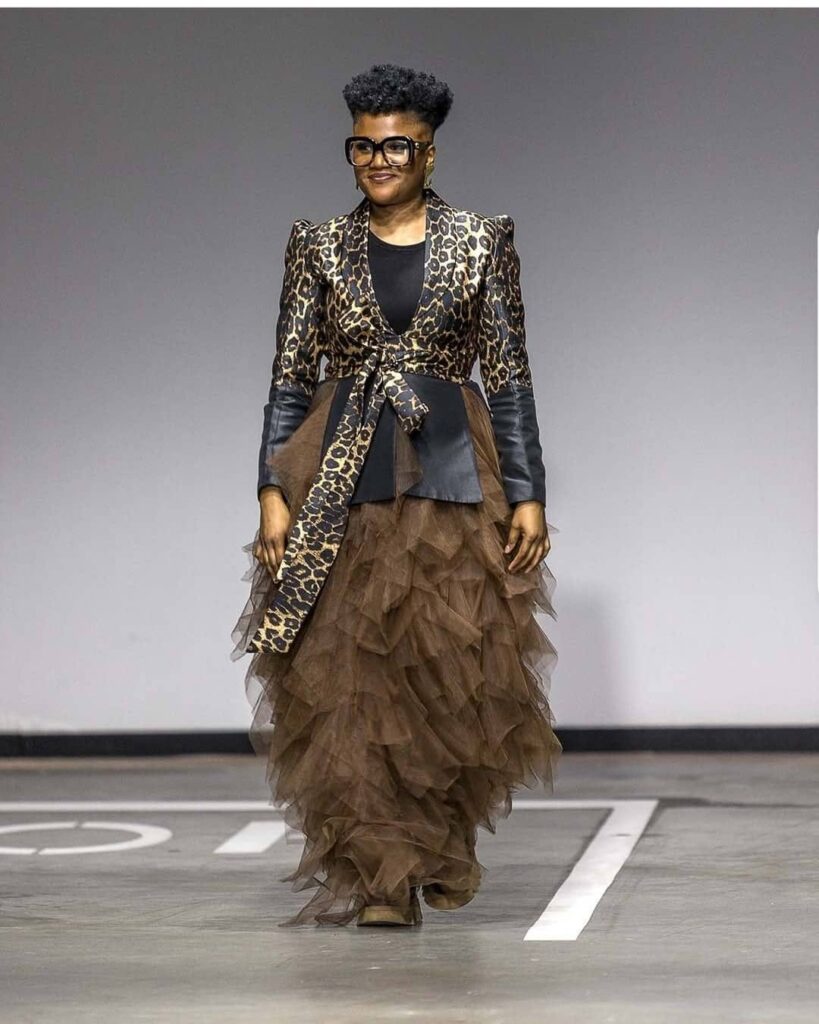
Her label Mantsho became the first African designer brand to collaborate with global fashion retailer H&M. The collection was distributed through selected H&M stores and online internationally, placing Mokubung’s bold prints, silhouettes and interpretation of African femininity before a massive global consumer audience.
The significance went beyond having a collection in H&M.
African designers had long influenced global fashion, but here was an African designer being named, credited and commercially positioned as the collaborator.
And Mantsho was hardly an overnight success.
Mokubung established the label in 2004 and spent years developing the distinctive prints, shapes and visual identity that made the collaboration recognisably hers when the international opportunity eventually arrived. Her career has also included international showcases and numerous accolades.
Her story is an important Women’s Day reminder: sometimes making history looks like being the first woman through a door. Other times, it means spending years building something strong enough that when the door finally opens, you know exactly who you are.
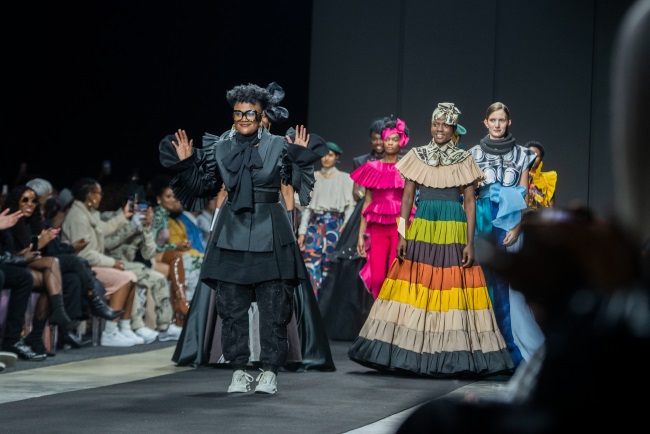
(Alet Pretorius via Getty Images, 2023)
Sindiso Khumalo: Making History Wearable
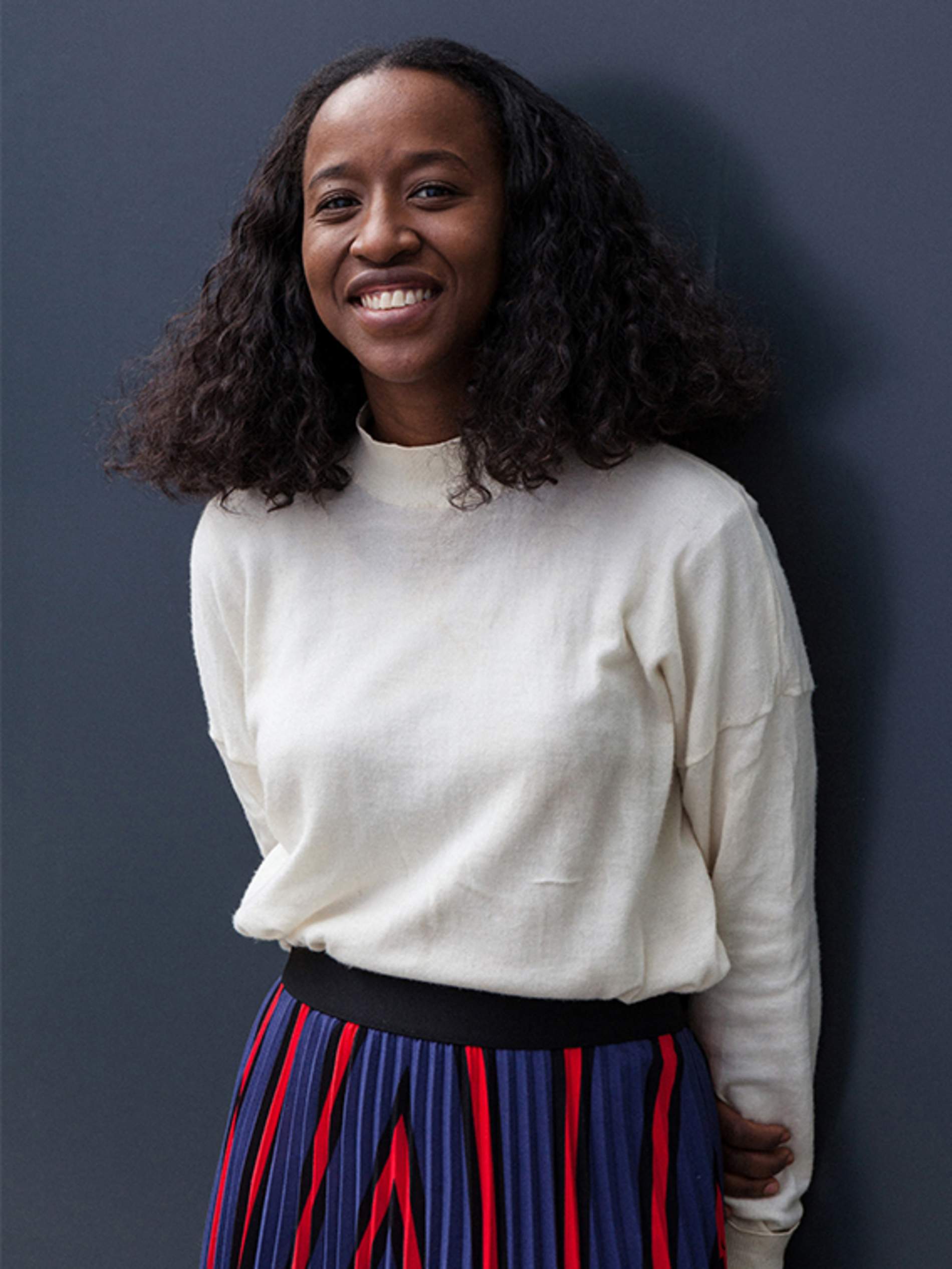
(Haneem Christian via Net-A-Porter, 2021)
If fashion can document history, Sindiso Khumalo has become one of South Africa’s most compelling historians.
The Cape Town-based designer founded her namesake label in 2015 after studying architecture and later completing a master’s in Textiles Futures at Central Saint Martins. Her work brings together sustainability, textile design, African history and the stories of Black women.
And the world noticed.
In 2020, Khumalo became a finalist for the prestigious LVMH Prize. When the competition was disrupted that year, the prize fund was distributed equally among the eight finalists. She also won the Green Carpet Fashion Awards Independent Designer Award that year.
Her work has since appeared far beyond the conventional runway. Khumalo has presented at Milan Fashion Week and exhibited at institutions including the Smithsonian National Museum of African Art, Louisiana Museum and Zeitz MOCAA. She has also spoken about sustainability at international forums including the United Nations.
But perhaps the greatest achievement is what she has chosen to do with that visibility.
Khumalo repeatedly turns towards African and Black history for inspiration. Her garments have explored women, resistance, colonial history and figures such as Harriet Tubman and Charlotte Maxeke.
She reminds us that international success does not have to require abandoning local history. Sometimes, our history is precisely what makes the work international.
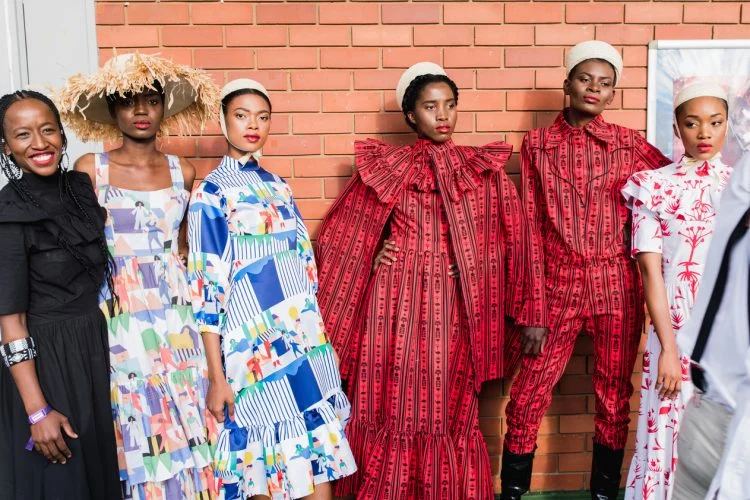
(Hannes Roodt, 2019)
Nkhensani Nkosi: Building a Fashion Language for a New South Africa

(Nounouche, 2026)
To understand South African fashion after democracy, you cannot ignore the importance of designers who helped create a new visual vocabulary for what being young, Black and South African could look like.
And Nkhensani Nkosi, through Stoned Cherrie, belongs firmly in that conversation.
Emerging during a period when South Africa itself was redefining its identity, Stoned Cherrie became closely associated with an Afro-urban aesthetic that looked backwards and forwards at the same time.
The brand demonstrated something that now feels obvious but was revolutionary in its context: African visual history could become contemporary fashion.
Instead of treating heritage as something frozen in the past, designers like Nkosi helped reposition it as something fashionable, youthful and commercially desirable.
That shift matters.
Because one of the most important things a designer can do is change what consumers believe belongs in their wardrobes.
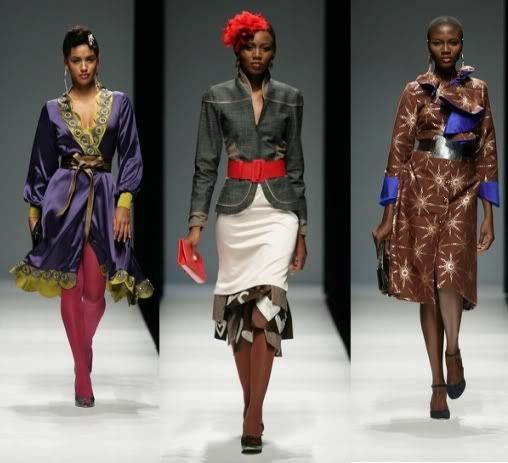
(Stoned Cherrie, Pinterest)
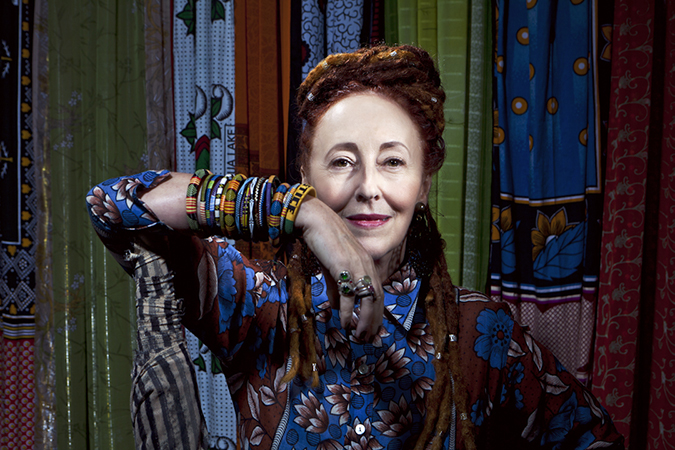
Marianne Fassler: Longevity Is Its Own Form of History
(Heather Dugmore)
Fashion loves the new.
The new designer. The new collection. The new viral moment.
Which makes Marianne Fassler’s longevity even more remarkable.
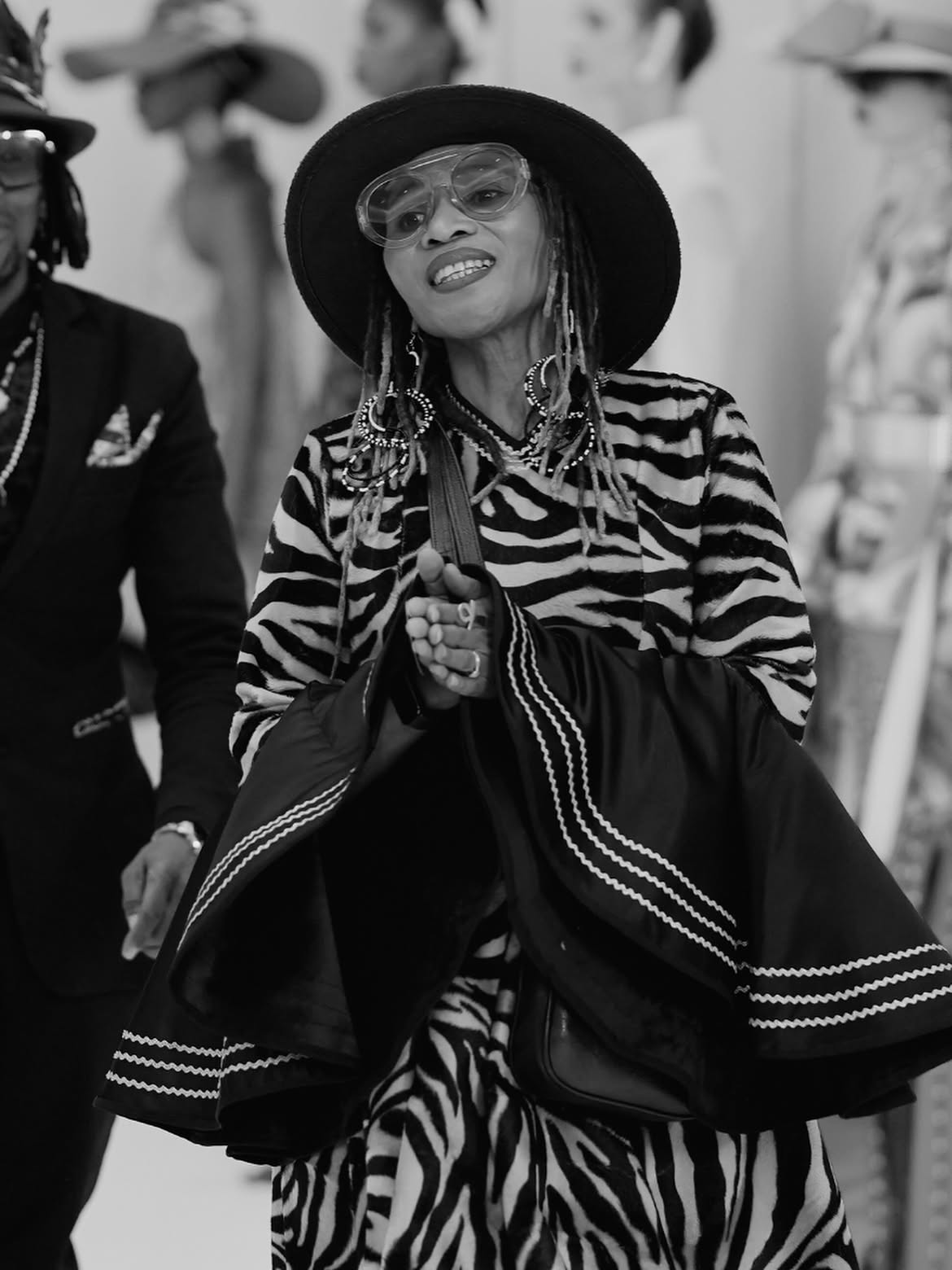
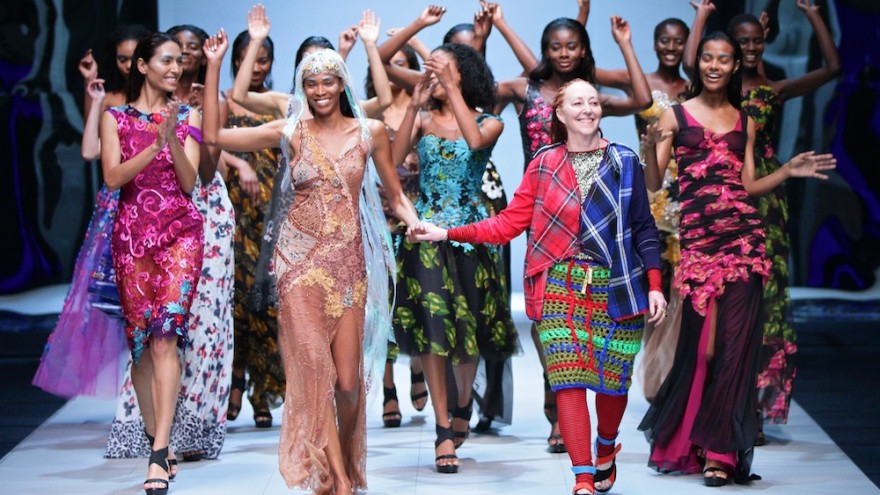
With a career stretching across decades, Fassler has become one of the enduring figures of South African fashion. From her Johannesburg-based Leopard Frock studio, she has built are cognisable design universe known for fearless print, colour, texture and an approach to African fashion that resists easy categorisation.
Her significance is not attached to one viral collection or single international moment.
It is attached to staying.
Building a fashion business is difficult. Building one in South Africa, through changing economies, consumer habits, political eras and an industry that has itself undergone enormous transformation, is another achievement entirely.
There is something worth celebrating about a woman whose career becomes long enough to watch generations of designers enter the industry behind her.
(Simon Deiner / SDR Photo, 2014)
The History They Made Became Someone Else's Starting Point
Perhaps that is the most beautiful thing to remember this Women’s Day.
There is a generation of young South African female designers entering fashion today for whom seeing an African designer collaborate with an international retailer does not seem impossible.
Showing internationally does not seem impossible. Building a luxury brand around African heritage does not seem impossible. Using indigenous references without making them feel outdated does not seem impossible.
Building a South African fashion house does not seem impossible. But possibility has a history. Somebody had to do these things when there was less evidence that they could be done.
Women like Vanya Mangaliso, Palesa Mokubung, Sindiso Khumalo, Nkhensani Nkosi and Marianne Fassler did not all take the same route, nor do they represent the entirety of South African fashion. What connects them is that somewhere along their journeys, their work expanded the imagination of what a South African designer could build.
So this Women’s Day, perhaps celebrating women in fashion should mean more than applauding beautiful clothes.
It should mean remembering the businesses they built. The people they employed. The cultures they preserved. The international rooms they entered. The firsts they achieved. And the doors they left open behind them.
Because before South African fashion could become the industry we are excited about
today, there were women busy making its history.